

How to Calm a Restless Mind: Incense Rituals from Chinese Tradition
In every era, human beings have wrestled with uneasy emotions — moments of restlessness, worry, or mental agitation that arise naturally in the course of life.
In traditional Chinese culture, these feelings were rarely treated as problems to be “fixed” immediately. Instead, they were understood as signals that the body, mind, and environment had fallen slightly out of balance. Across philosophy, medicine, and daily rituals, Chinese traditions developed gentle ways to restore calm.
Quiet Sitting and the Art of Stillness
One of the most enduring responses to emotional turbulence was the practice of quiet sitting. Known historically as jing zuo (静坐), this method of sitting calmly and observing the mind appears in early philosophical texts and became widely practiced during the Song dynasty among Confucian, Daoist, and Buddhist thinkers. The term literally means “sitting quietly,” and it was considered a form of self-cultivation that could help a person achieve inner clarity and a more balanced life.
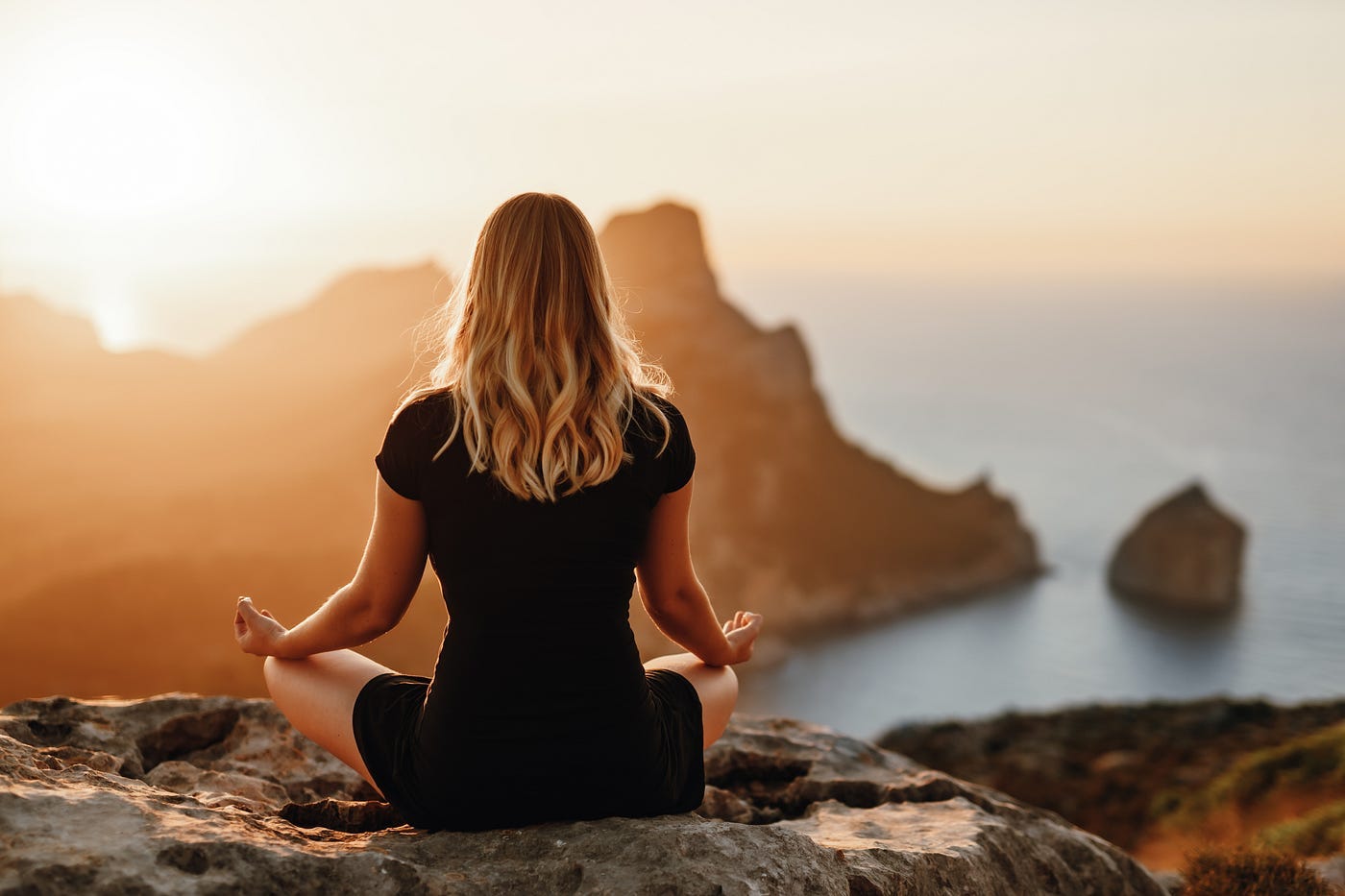
This practice echoes ideas found in Daoist writings as well. The Tang-dynasty text Qingjing Jing (清净经, “Scripture of Clarity and Stillness”) teaches that the path to calmness lies in cultivating purity and stillness of the mind. When one becomes quiet and clear, agitation naturally dissolves.
In daily life, scholars often practiced quiet sitting in their studies, especially when facing intellectual or emotional strain. Rather than pushing anxiety away, the practice encouraged watching thoughts pass like clouds — allowing the mind to settle gradually.
Movement and Breath: Guiding Energy
Traditional Chinese culture also believed that emotions are closely connected to the flow of qi, the body’s vital energy. When qi becomes stagnant, feelings of tension or unease can arise. To address this, ancient practitioners developed physical and breathing exercises.

One example is daoyin (导引), a series of gentle movements and breathing techniques practiced in Daoist traditions for health and spiritual cultivation. These exercises aimed to guide and harmonize the body’s internal energy, helping both physical vitality and emotional stability.
By combining breath, posture, and mindful attention, daoyin offered a way to release tension through the body rather than the mind alone.
Fragrance and the Calming Power of Incense
Another quiet method used throughout Chinese history involved incense. Archaeological and textual evidence shows that incense was used in China as early as the Spring and Autumn period, first in rituals and later in daily life. Over time, it became associated with contemplation and spiritual practice.
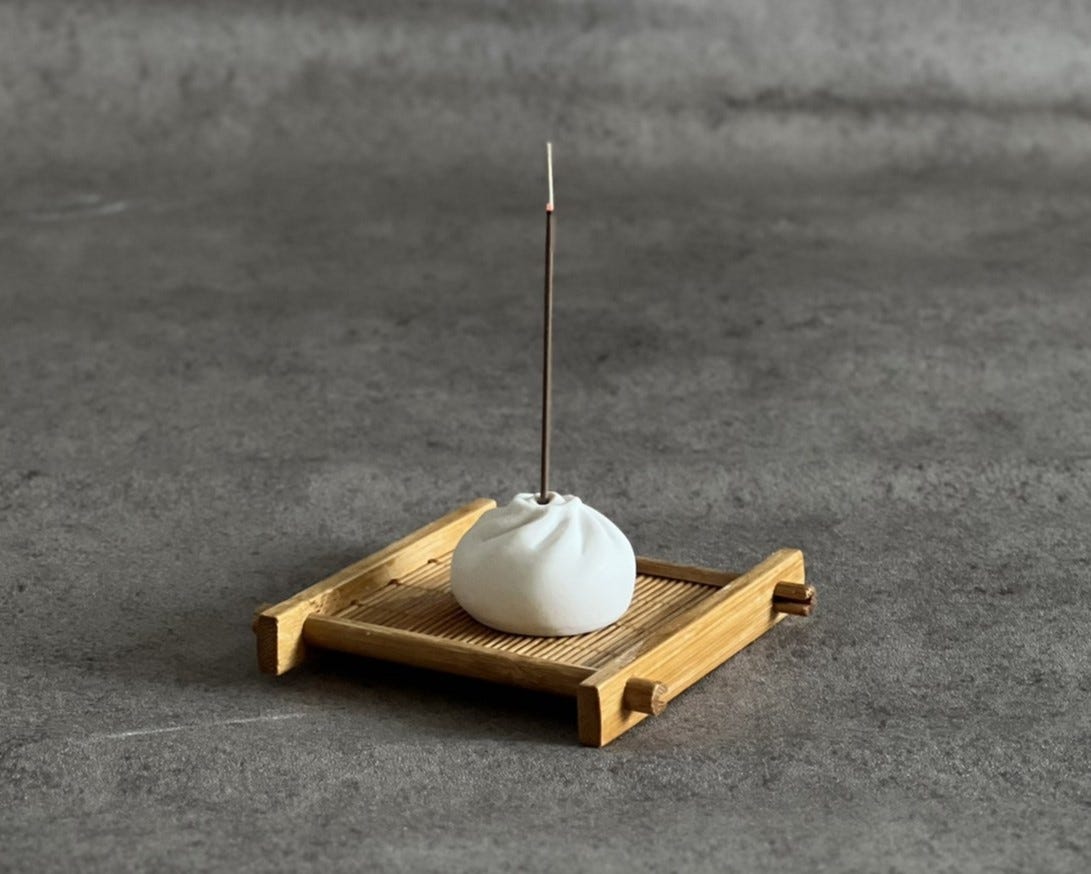
Daoist rituals often burn incense to purify meditation spaces, preparing the mind for calm reflection.
In Buddhist monasteries and literati culture, incense also served as a companion to meditation and study. The slow burning of an incense stick provided a gentle sensory anchor, encouraging focus and steady breathing while the fragrance filled the room.
By the Song dynasty, incense appreciation — known as “the Way of Incense” (xiangdao, 香道) — became a refined cultural practice among scholars who combined fragrance with poetry, conversation, and philosophical reflection.

At INCENZO, we proudly make our incense with 100% natural ingredients, following traditional Chinese incense recipe. Scent like Sandalwood and Cedar are all calming woody fragrants that helps calm the mind and soul, along with the natural burning scent.
A Lesson for Modern Life
What these traditions reveal is a different attitude toward emotional discomfort. Rather than reacting immediately, ancient Chinese culture often encouraged creating space: sitting quietly, moving the body gently, or allowing a simple fragrance to shift the atmosphere.
In modern life, where anxious feelings often arise from constant stimulation, these older practices still carry quiet wisdom. Lighting an incense stick, stepping away from noise, or sitting in stillness for a few minutes can transform a moment of tension into a moment of awareness.
Sometimes calm does not come from doing more — it comes from pausing, breathing, and letting the mind settle, just as generations before us once did beside an incense burner, a window, and a moment of quiet.