

Wu Wei and Incense: How Taoist Emptiness Shapes Intentional Living
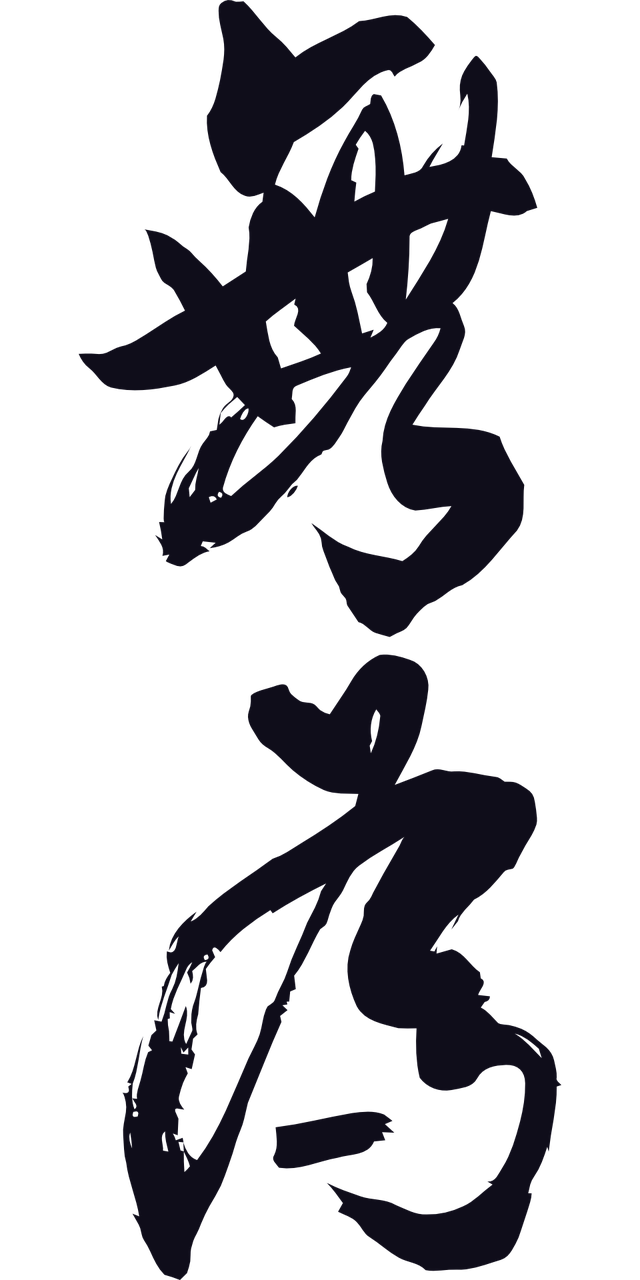
In Chinese philosophy, some of the most profound wisdom comes not from what is, but from what is not. In Taoism, the character for “no” — wu — is not mere emptiness or absence in the ordinary sense; it is a philosophical cornerstone that invites us to rethink how we perceive the world, ourselves, and even spiritual practices.
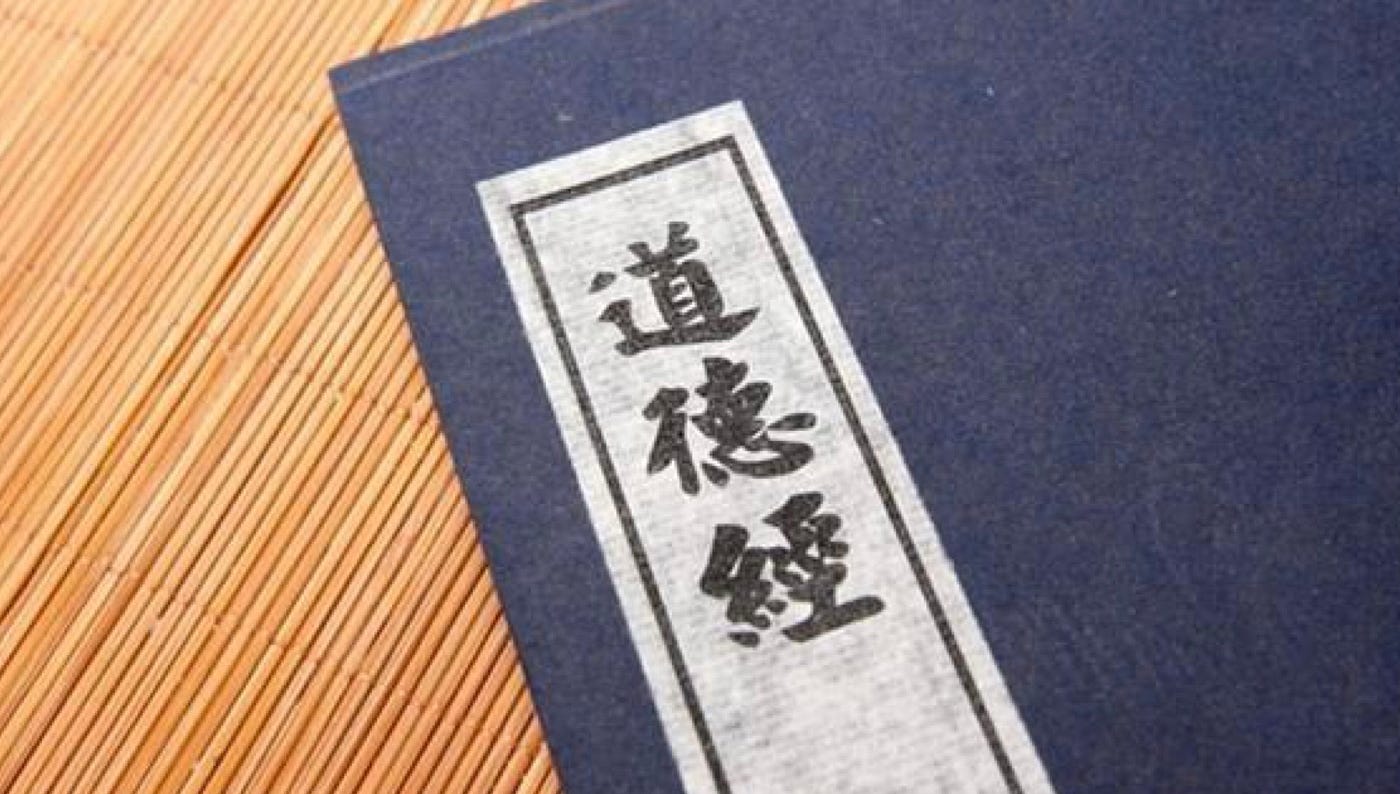
From the early chapters of the Tao Te Ching, we encounter the notion of wu (often translated as “nothing,” “non-being,” or “absence”). In this context, wu functions as the complement to you (“being” or presence). The ancient text suggests that what exists arises from what does not, revealing wu as the fertile ground from which all things emerge and transform. Western interpreters have remarked that wu, in Taoism, acts as a kind of undifferentiated potential — not a void, but a source of possibility where form and function first take root.
This idea is closely tied to wu-wei, usually translated as “non-action” or “effortless action.” Contrary to a simple avoidance of doing things, wu-wei describes living in harmony with the natural flow of life — taking actions that arise spontaneously rather than through force or resistance.
In the Tao Te Ching, the ancient sage is praised for acting without striving against reality, achieving profound results precisely because they do not interfere with the natural course of events.
Within this worldview of wu and wu-wei, rituals become less about exerting will and more about aligning oneself with the subtle currents of existence. Incense, for example, holds deep symbolic resonance in Taoist practice.
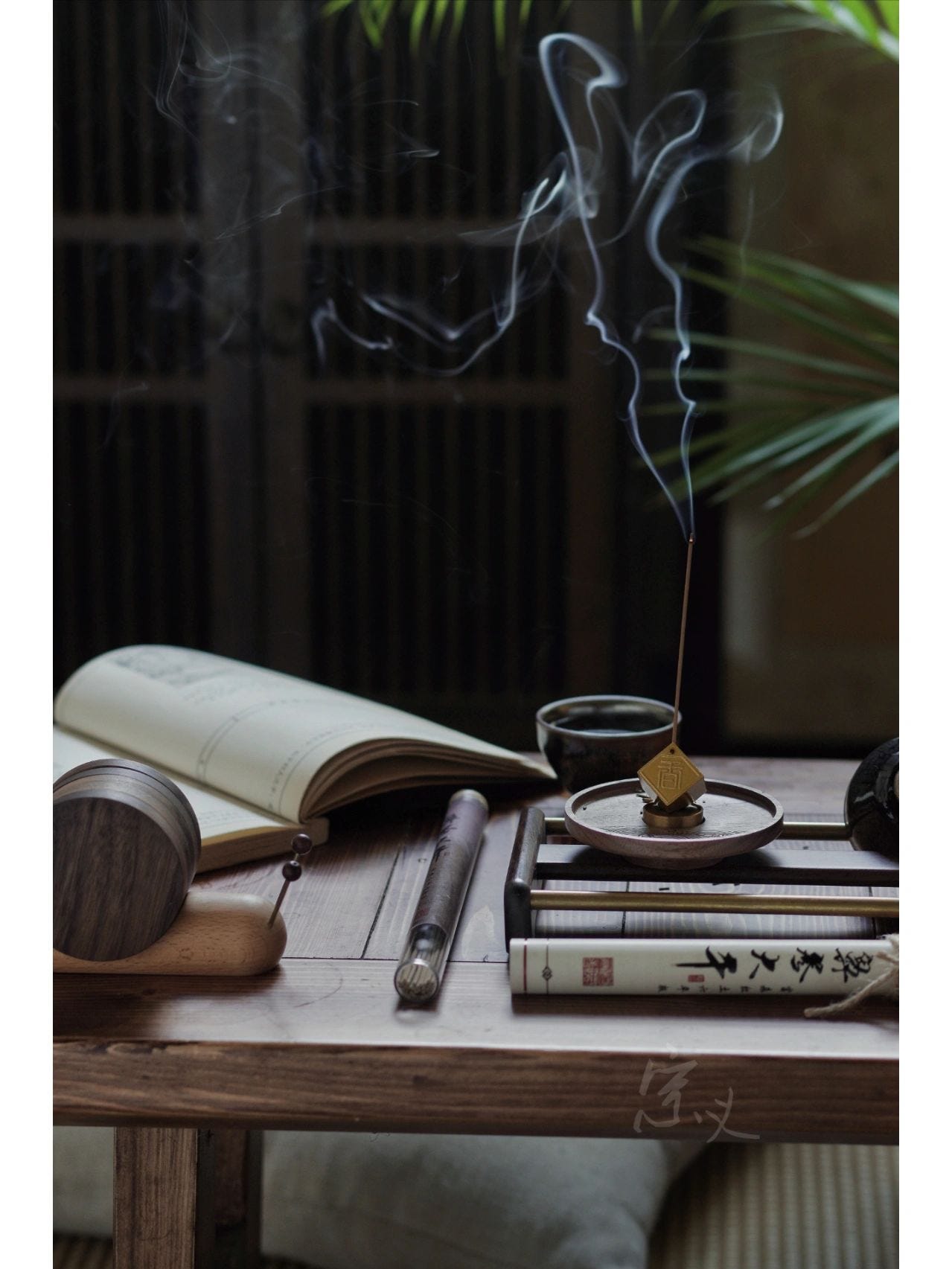
Historical accounts trace the use of incense in China back to ancient sacrificial rites — later absorbed into Taoist ceremonies where smoke acts as a bridge between humanity and the divine.
Taoists believe that the rising fragrance of incense carries prayers upward and creates a purified space conducive to spiritual cultivation, calm contemplation, and respectful communication with higher energies.
In Taoist ritual, the act of burning incense embodies wu not through noise or imposition, but through a subtle transformation of presence into absence.
The incense itself burns away, leaving behind only fragrance and smoke that dissolves into the air — a powerful metaphor for wu: dissolving ego, surrendering force, and opening space for the natural flow of life. This non-assertive silence stands in contrast to deliberate manipulation, reflecting the Taoist preference for openness and receptivity.
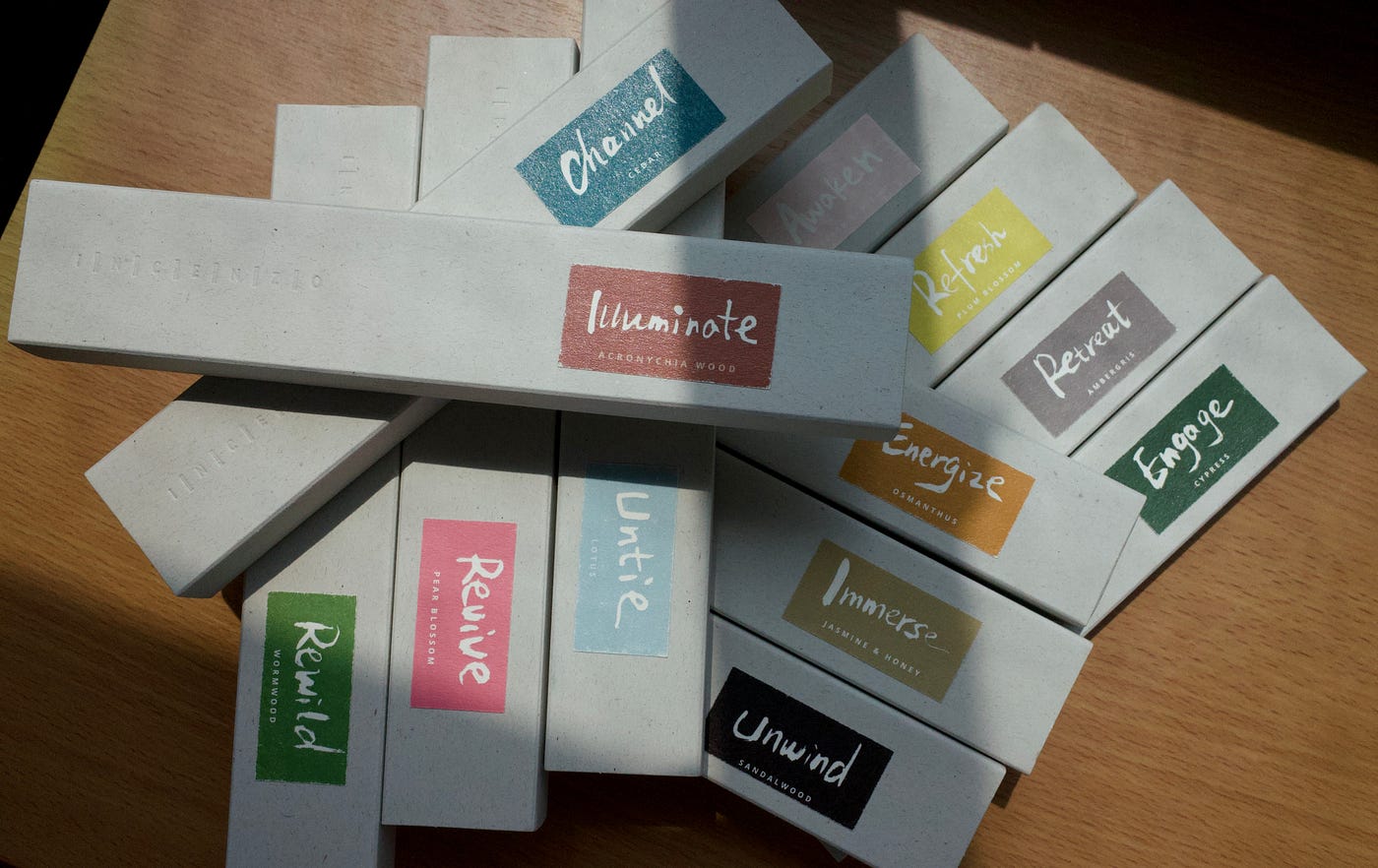
If you’re looking to incorporate incense as a way to introduce and experience wu-wei in life, INCENZO offers incense sticks with 100% natural ingredients, following traditional Chinese recipes. As you experience the flow of time and the change from being to nothing, the ashes are not only the representation of wu, but also the record of experiencing wu-wei, of experiencing being in the moment and letting the world happen.
Applying the idea of “wu” to modern life, this ancient idea offers a gentle invitation: to let go of overbearing effort and expectations, and to cultivate a presence that is both responsive and relaxed.

In our fast-paced world, the practice of lighting incense can become a contemporary ritual of wu — a way to pause, clear mental clutter, and reconnect with the effortless flow of intention and awareness.
Whether approached as a spiritual practice or a moment of mindful stillness, the Taoist wisdom of wu reminds us that sometimes the richest form of engagement comes not from forcing outcomes, but from creating space for life to unfold naturally, with curiosity, patience, and harmony.
Continue your ritual
To bring this Taoist idea into a daily incense practice, continue with our Taoist Incense Guide. For a scent that supports stillness and attention, explore Illuminate | Acronychia Wood Incense or let the Find Your Scent quiz choose a ritual set around your intention.