

Trade of Scents: How Ancient China’s Incense Was Shaped by Western Exchange
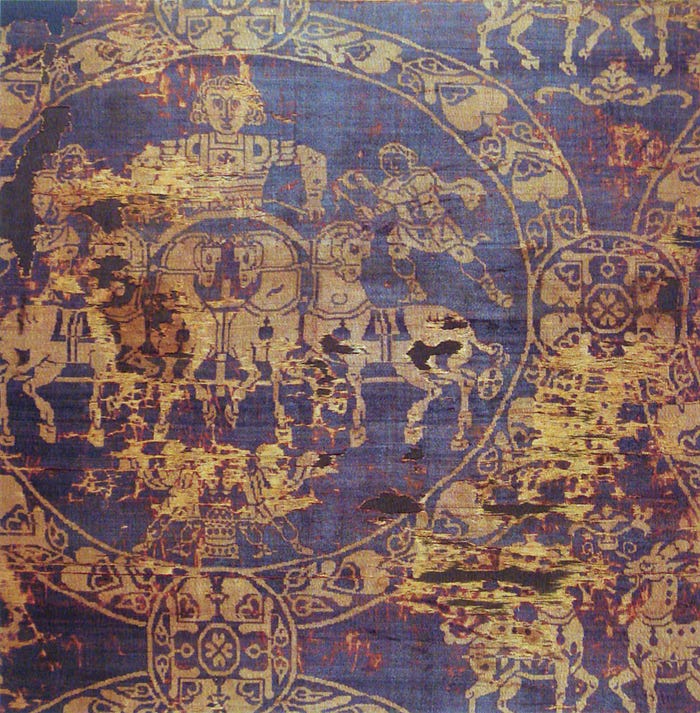
In the quiet rolls of history, scent has been more than a fragrance — it has been a bridge between worlds, a traded treasure, and a symbol of cultural exchange.
Ancient Chinese incense culture did not develop in isolation; it grew richer and more varied because of trade with the West and beyond, shaping how incense was made, appreciated, and ritualized over centuries.
When we think of the Silk Road, silk and porcelain often come to mind first. But this vast network of land and maritime routes also carried something intangible yet deeply treasured: incense and aromatic materials. These luxurious resins, woods, and spices traveled from Arabia, India, Northeast Africa, and Southeast Asia to the heart of China, weaving new threads into Chinese spiritual and cultural life.

Archaeological evidence makes this worldly journey tangible. Scientists analyzing incense from the Famen Temple, a major Buddhist site during the Tang dynasty, identified not just local herbs but also elemi and mixtures of agarwood and frankincense — aromatics that came from regions far beyond China’s borders via the Silk Road.
These materials weren’t ordinary commodities; they were among the most prized goods in ancient trade, both because of their rarity and because their rich fragrances were associated with sacred rituals and refined taste.
One fascinating example is frankincense. Native to the Arabian Peninsula, Somalia, and parts of India, frankincense had been traded across harsh desert routes for thousands of years by the time it entered China. Chinese records from the Song dynasty describe frankincense arriving via western merchants, marking its influence on religious and secular life alike.
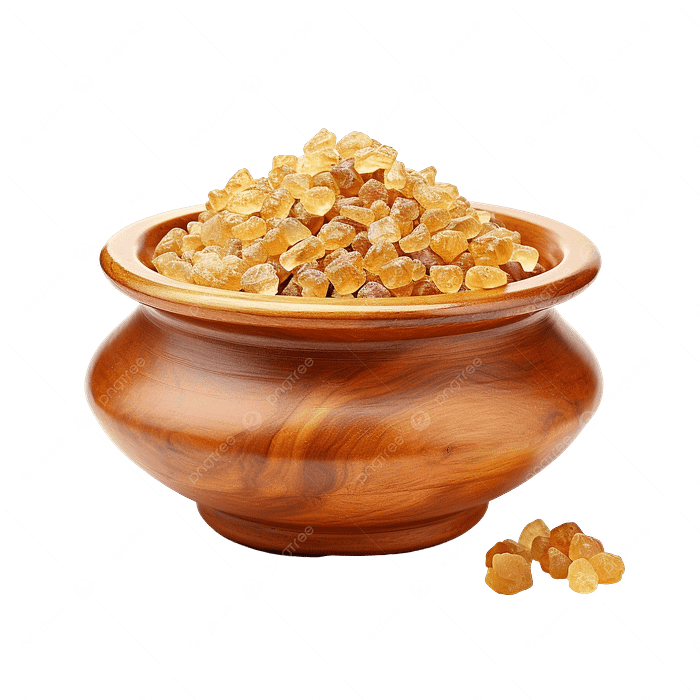
These imported aromatics weren’t simply burned as they were — they transformed Chinese incense culture itself. Ancient texts like the Song Shu recount how Chinese incense recipes began to blend local and foreign materials, laying the groundwork for hybrid incense traditions that would become hallmarks of classical Chinese fragrance art. This blending wasn’t just olfactory — it reflected a cultural openness to new ideas and aesthetics brought by trade.
The trade of incense was more than a commercial transaction; it was a cultural dialogue.
Maritime routes, such as those through Guangzhou and Quanzhou, funneled exotic spices from Southeast Asia into China. Overland routes carried aromatics across Central Asia, facilitated by merchants like the Sogdians, whose presence in the Silk Road corridors helped establish extensive exchange networks.
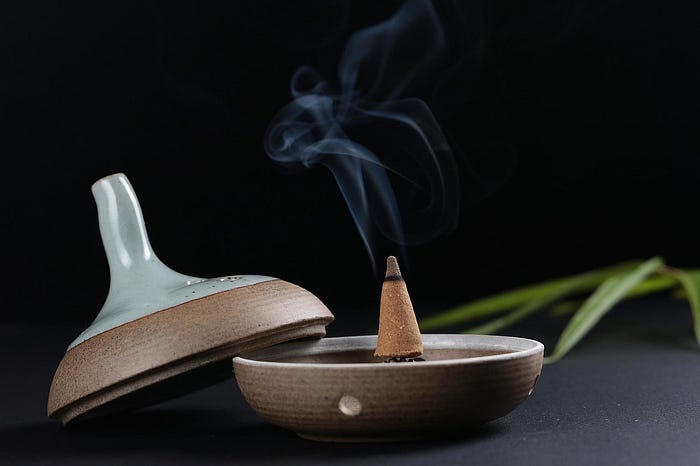
We see the imprint of this ancient exchange in classic Chinese literature and ritual. During the Tang and Song dynasties, incense appreciation — once limited to noble courts — spread into cultural practices like poetry, tea ceremonies, and meditation. The very act of burning incense became associated with refined sensibility, spiritual harmony, and worldly sophistication.
Following the spirit that connects the East and West, INCENZO creates incense sticks to honor such connection from ancient times. Following traditional Chinese recipes, some inspired by the materials brought in as commodities, the incense sticks with 100% natural ingredient are the exact form of exchange of culture.
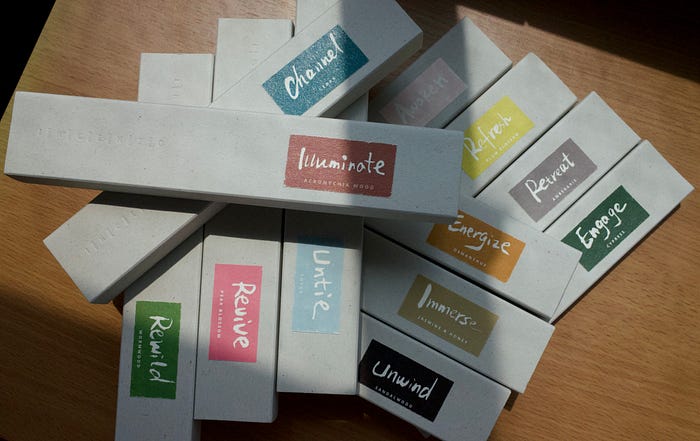
Today, when we light a stick of Chinese incense, we’re not just releasing fragrance into the air — we’re invoking a long and layered history of global connection.
Each scent carries echoes of desert winds, caravan trails, and the gentle resonance of distant lands woven into China’s own cultural fabric. In this way, the story of ancient Chinese incense is also the story of interaction between East and West — a fragrant testament to humanity’s age-old curiosity and exchange.