

Fragrance Before Force: The Traditional Art of Repelling Mosquitoes
Summer often arrives with familiar rituals: longer evenings, open windows, the scent of tea cooling on the table — and the quiet hum of mosquitoes somewhere nearby.
What is interesting is the language we use today. We speak of "killing mosquitoes," as if the goal is complete elimination. Yet in many traditional Chinese texts and folk practices, the emphasis was often on driving away or avoiding pests rather than destroying them.
This difference reflects a deeper cultural perspective. Traditional Chinese thought, influenced by Daoist ideas of harmony between humans and nature, rarely viewed every inconvenience as an enemy to be eradicated.
Mosquitoes were certainly unwelcome, but they were also part of the natural world. The objective was to establish boundaries, creating a living environment that felt comfortable for people without attempting to dominate everything beyond it.
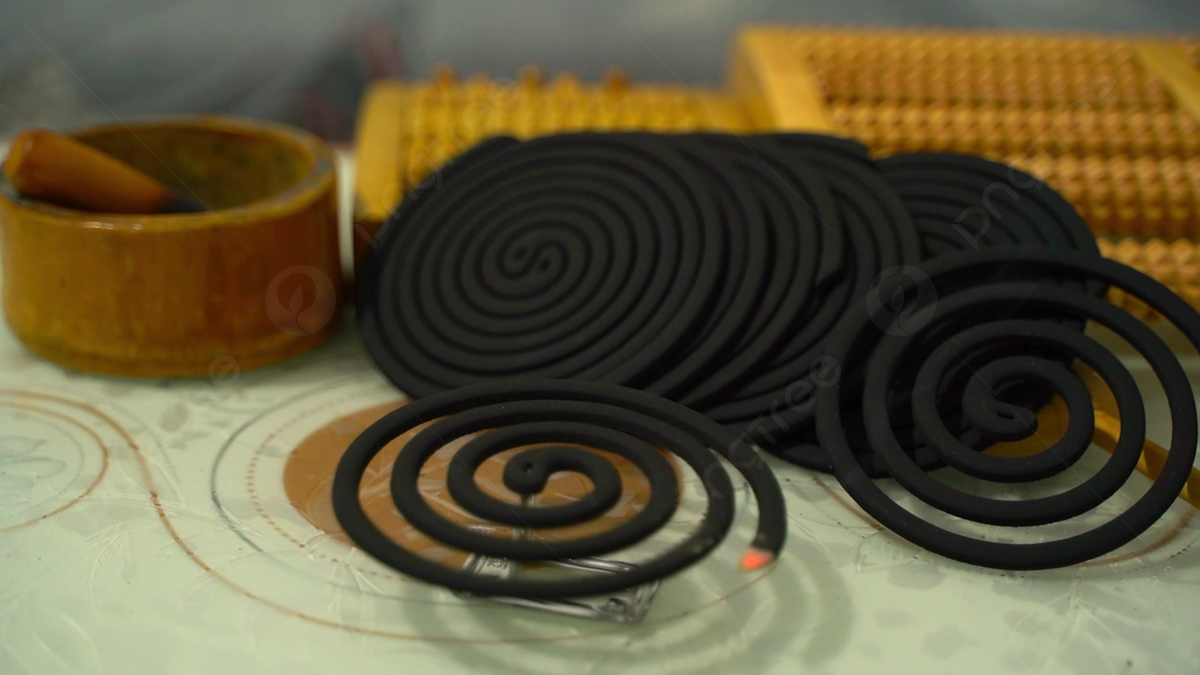
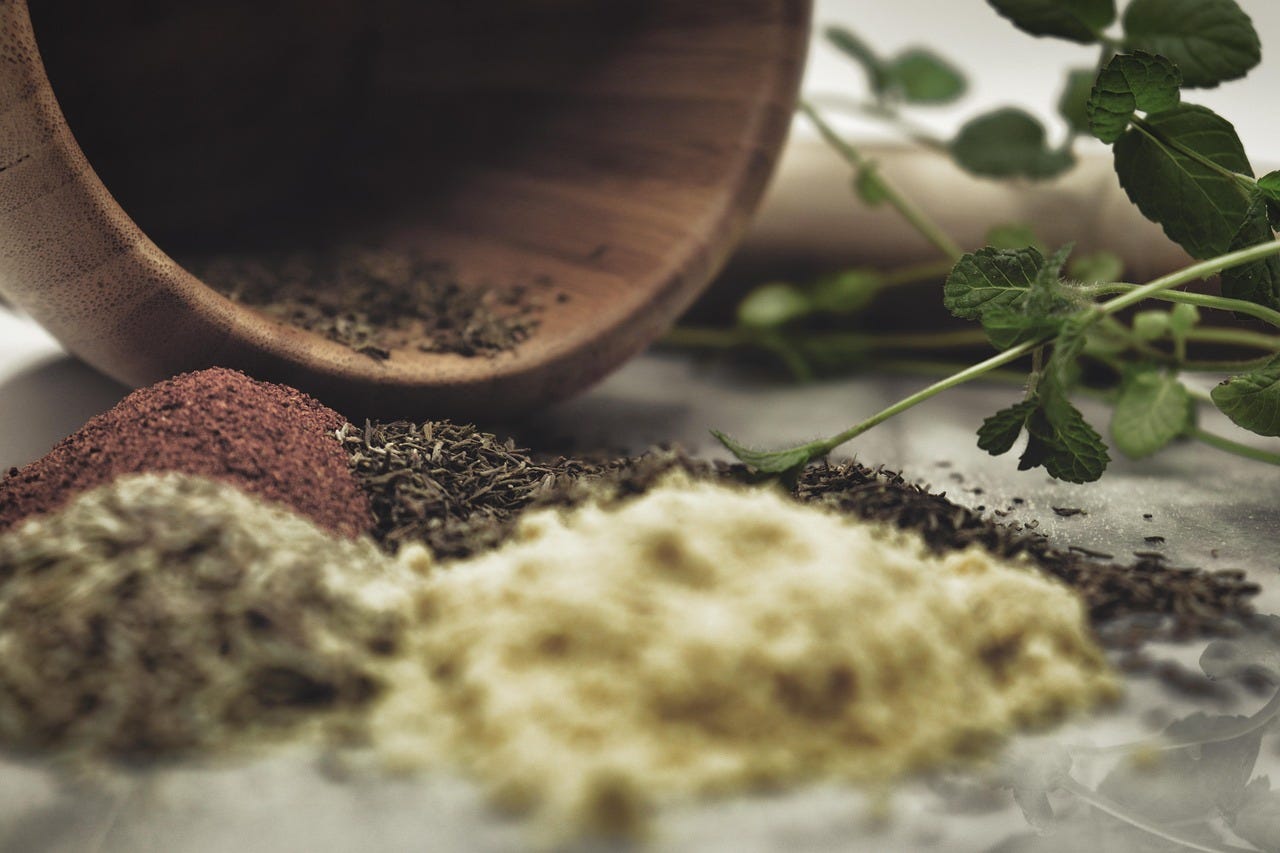
This philosophy can be seen in the long history of aromatic herbs used to repel insects. Across different regions of China, plants such as mugwort (艾草), patchouli (藿香), peppermint (薄荷), clove (丁香), and angelica dahurica (白芷) were valued not only for their fragrance but also for their practical role in daily life.
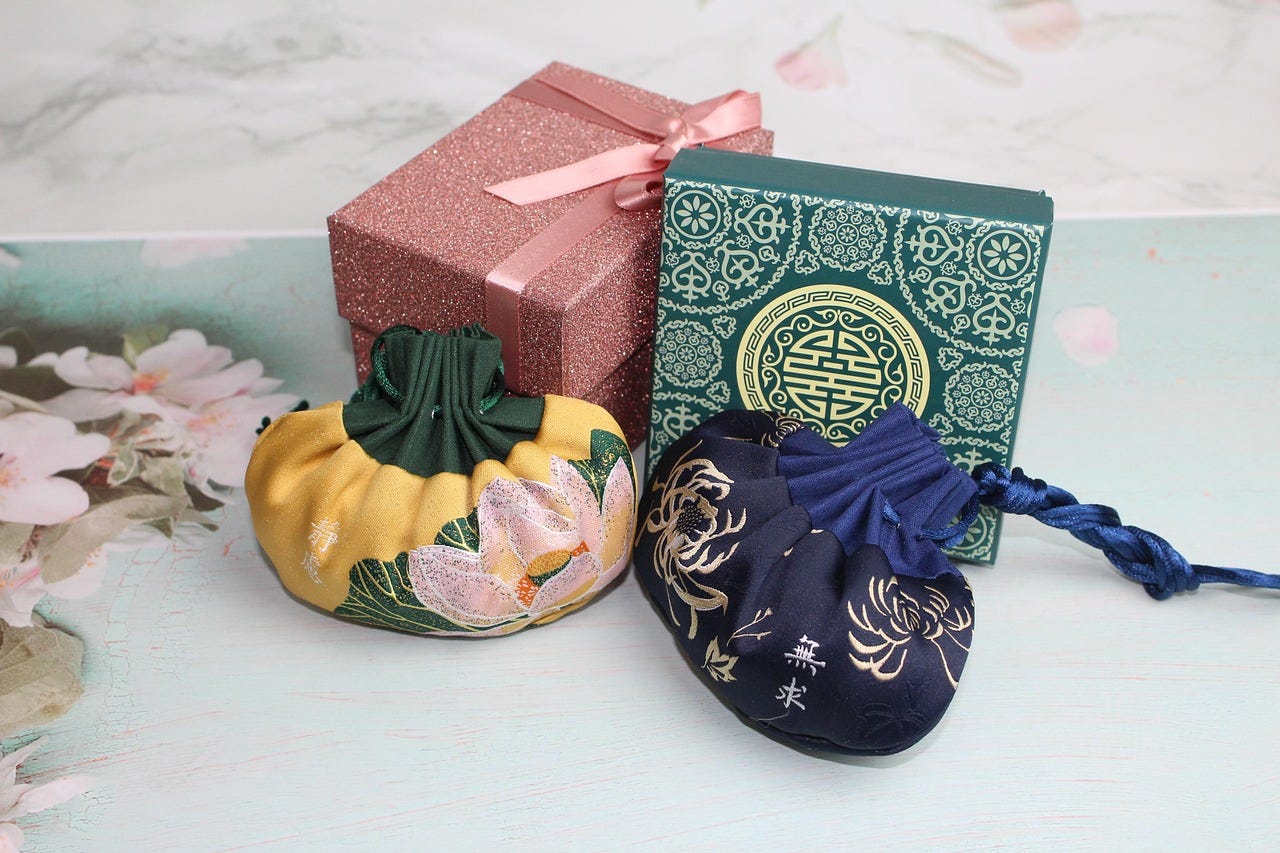
Sachets filled with aromatic herbs were carried on the body, hung near sleeping areas, or placed inside rooms during warmer months.
Modern research suggests that this traditional knowledge may have had more than symbolic value. Studies have found mosquito-repelling properties in several aromatic plants commonly used in traditional herbal practices.
Mugwort, in particular, has been shown to contain compounds that can repel mosquitoes, and researchers have observed repellent activity from mugwort-derived essential oils and even from aromatic compounds released during combustion. Likewise, patchouli, clove, and other plant-based aromatic oils have demonstrated varying degrees of mosquito-repellent effectiveness in laboratory studies.
What is striking is that the traditional approach was not primarily about poisoning insects. Instead, it focused on what ancient practitioners sometimes described as using fragrance to "avoid foulness" (芳香避秽). In modern terms, we might say it changes the scent environment, making a space less attractive to mosquitoes.
This is where incense finds its natural place.
A traditional herbal incense — such as our Rewild Wormwood Incense made from mugwort, patchouli, peppermint, angelica dahurica, and a small amount of clove — can gently fragrance a room while drawing upon centuries of aromatic practice.
Rather than filling the air with synthetic chemicals, it relies on the character of natural botanicals. The experience is not merely functional; it becomes part of an evening ritual, creating a calmer and more intentional atmosphere — especially when paired with a beautiful incense holder that complements the moment.

At INCENZO, we use 100% natural ingredients and follow the traditional wisdom. Rewild, our wormwood incense made with mugwort, is designed to be an incense for outdoors and summer occasions, to help create an environment where mosquitoes naturally avoid, without pressure on pets or children.
Of course, no incense should be viewed as a complete solution to mosquito control. Standing water should still be removed, screens maintained, and outdoor exposure managed when necessary. Yet there is something appealing about beginning with fragrance rather than force.
Perhaps that is the quiet wisdom inherited from the past: not every problem requires elimination. Sometimes a few carefully chosen herbs, a wisp of incense smoke, and a well-kept boundary are enough to bring harmony back into a space.