

Quiet Smoke, Shared Space: Choosing Incense in a Home with Pets
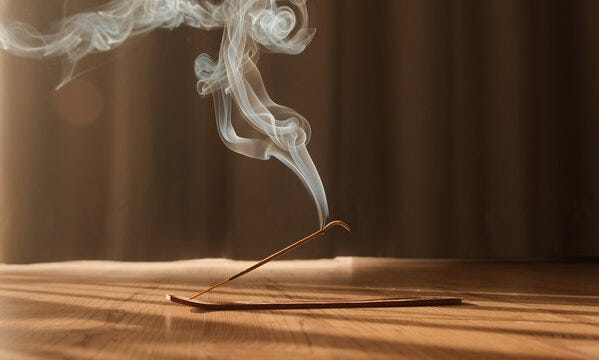
There is a particular kind of comfort in lighting incense at the end of the day.
A thin line of smoke rises slowly into the room, softening the edges of a busy mind. In many traditional Chinese practices, fragrance was never simply about scent. Incense accompanied reading, tea, meditation, and moments of stillness — not to overpower a space, but to gently shape its atmosphere.
Yet a peaceful home is rarely shared by humans alone. A dog resting by the doorway, or a cat curled beneath the window, experiences that same space very differently.
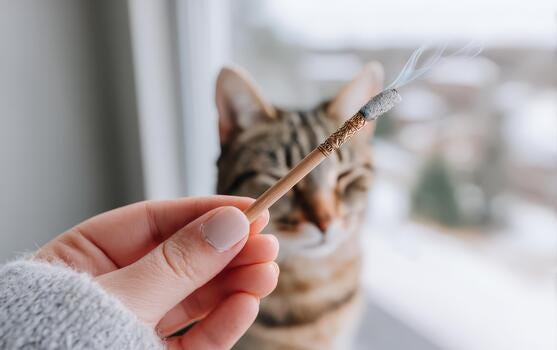
Animals, especially dogs and cats, live through an extraordinary sensitivity to smell. What feels subtle to us may feel overwhelming to them. Recent veterinary guidance and pet safety discussions increasingly caution against treating incense as harmless background fragrance, particularly when synthetic ingredients or poor ventilation are involved.
Historically, traditional incense in China was often made from powdered woods, herbs, and resins — sandalwood, agarwood, frankincense, and various botanicals carefully blended into small amounts for ritual or contemplative use. The intention was refinement rather than intensity. Modern commercial incense, however, can sometimes contain synthetic fragrance oils, chemical accelerants, or heavily concentrated essential oils that were never part of older traditions.
This distinction matters in a home with pets.
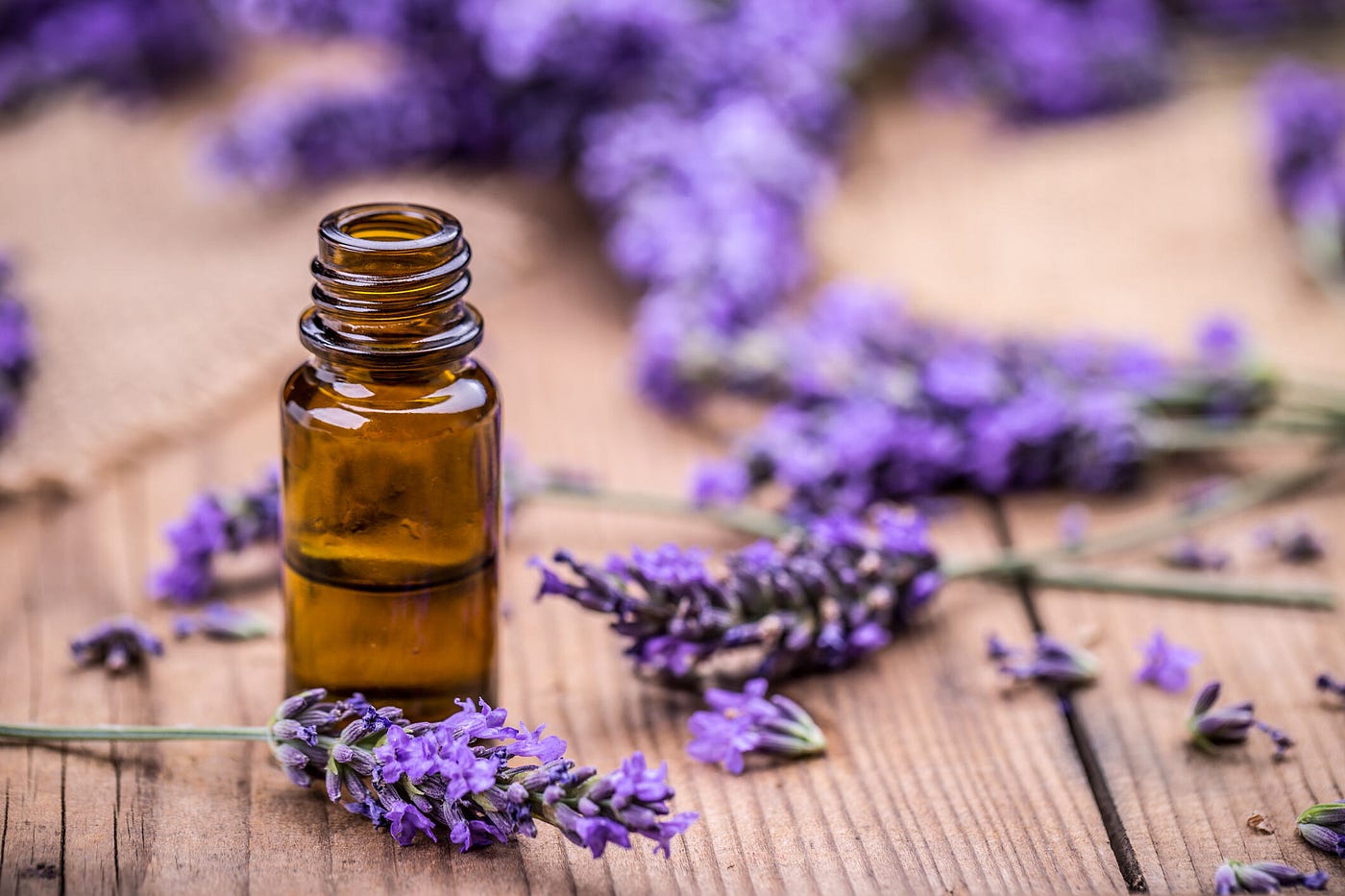
Veterinarians and pet safety advocates frequently point out that certain essential oils commonly found in incense or fragrance products — including tea tree, eucalyptus, peppermint, citrus oils, cinnamon, and wintergreen — may irritate animals’ respiratory systems or become harmful with prolonged exposure. Smoke itself can also create discomfort, especially for pets with sensitive airways. Often, the signs appear quietly at first: sneezing, watery eyes, coughing, restlessness, unusual fatigue, or simply a tendency to leave the room when incense is lit.
Perhaps this is where traditional wisdom still offers something useful. In many classical practices, incense was never meant to dominate a room continuously. It appeared briefly, intentionally, and with awareness of the surrounding environment.
For modern homes, that may mean choosing incense more carefully rather than abandoning it entirely.
Natural incense made primarily from raw woods, herbs, or plant powders — without synthetic perfumes or undisclosed “fragrance” additives — is generally considered gentler than heavily perfumed alternatives. Low-smoke incense can also reduce irritation. Still, even natural incense should be used with restraint. Good ventilation matters: opening windows, allowing airflow, and never burning incense in a closed space where pets cannot leave. Many experienced pet owners also recommend observing animals closely after introducing a new scent, since sensitivity differs from one animal to another.
In the end, perhaps pet-friendly incense is less about finding a perfectly “safe” fragrance, and more about practicing attentiveness.

At INCENZO, we follow the traditional Chinese way of making incense, bringing out the scent of natural ingredients in powder form, instead of relying on modern technology that extracts essence oil. All incense are light in smoke and its scent, creating as little disturbance as possible for anyone in the household, including the fluffy friends.
A home ritual should bring ease to every living being within it. Sometimes the gentlest form of incense is not the strongest scent lingering in the air, but the quiet care taken while lighting it.
Continue your ritual
For a more practical companion to this piece, read our newer guide to natural incense for homes with pets. If you are choosing a gentler first scent, start with Revive | Pear Blossom Incense, or take the Find Your Scent quiz for a personalized three-scent recommendation.