

Qingming Festival Incense: Rituals, Meaning, and How to Honor Ancestors
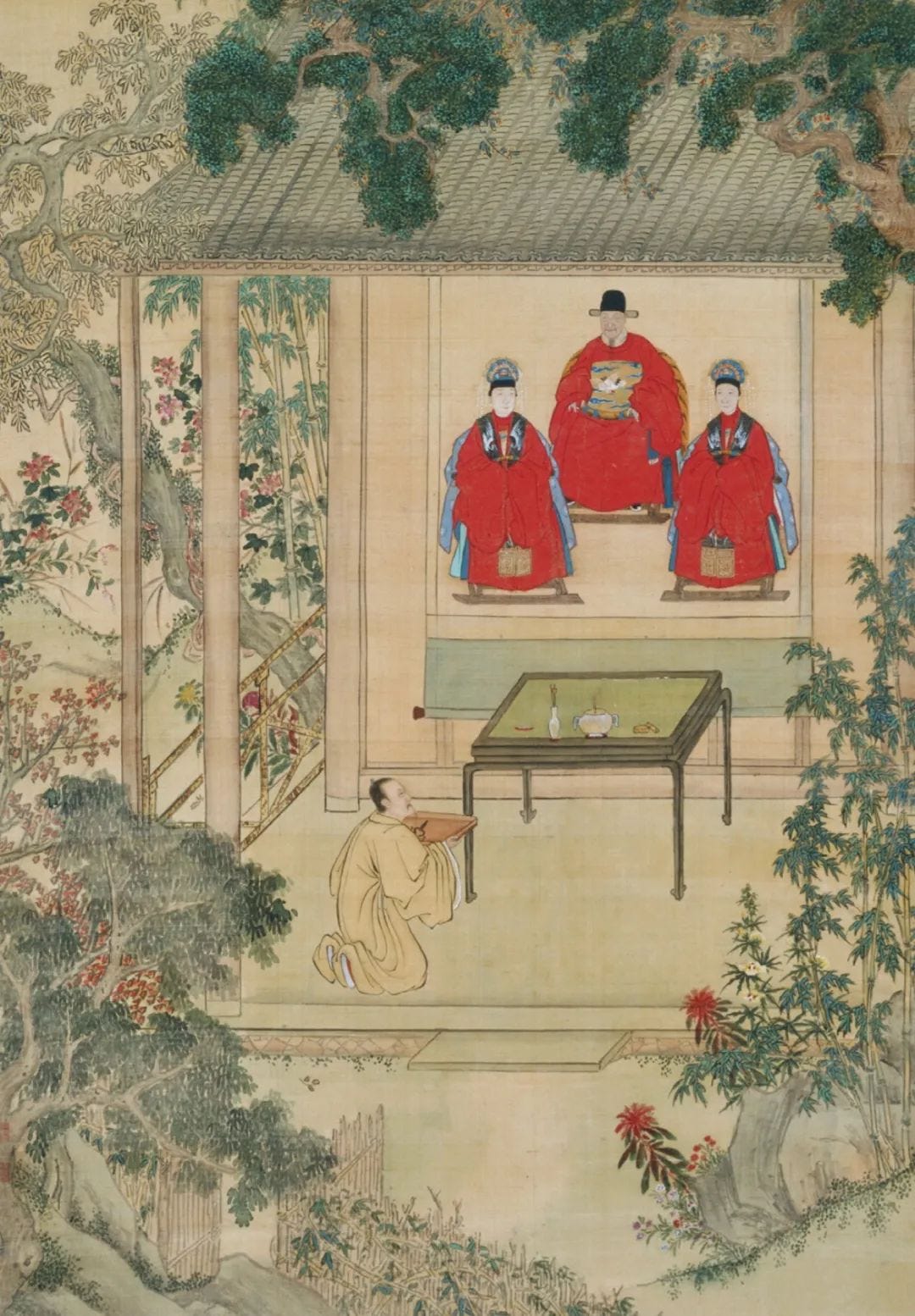
In early spring, when the air turns soft and the earth begins to breathe again, many Chinese families prepare for a quiet journey — one that leads not forward, but back. The Qingming Festival (清明), often translated as “Tomb-Sweeping Day,” is a time to remember, to tend, and to reconnect with those who came before us. Among the offerings brought to ancestral graves, incense remains one of the most enduring and symbolic.
The origins of Qingming trace back over two thousand years, evolving from the earlier Cold Food Festival (Hanshi Festival, 寒食节), which commemorated the loyal retainer Jie Zitui during the Spring and Autumn period.
Over time, Qingming absorbed these traditions and became formalized during the Tang dynasty, when it was recognized as an official occasion for honoring ancestors. Historical records such as the Book of Tang (《旧唐书》) describe imperial edicts encouraging visits to ancestral tombs, marking the festival’s integration into state and social life.
At the heart of Qingming is the act of tomb sweeping — clearing weeds, repairing stones, and presenting offerings. These offerings often include food, wine, paper goods, and importantly, incense.
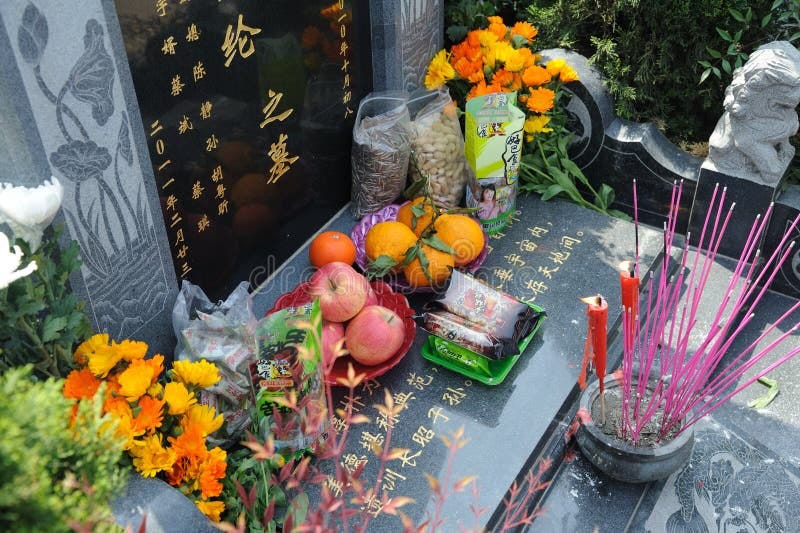
The practice of burning incense in ancestral rites can be traced back even earlier, to Zhou dynasty rituals, where aromatic smoke was believed to act as a medium between the human and spiritual realms. Later texts, including ritual descriptions in Confucian traditions, emphasize incense as a gesture of reverence, its rising smoke symbolizing communication with ancestors and the continuity between worlds.
Within this tradition, certain materials held particular significance. One such example is Acronychia wood incense (降真香, Jiangzhen incense), which appears in historical materia medica texts such as the Bencao Gangmu (《本草纲目》) compiled during the Ming dynasty. It was described as having the ability to “descend the true qi” and was often used in Daoist rituals for purification and spiritual alignment. While not exclusive to Qingming, its association with ritual clarity and sincerity aligns closely with the intentions behind ancestral offerings.
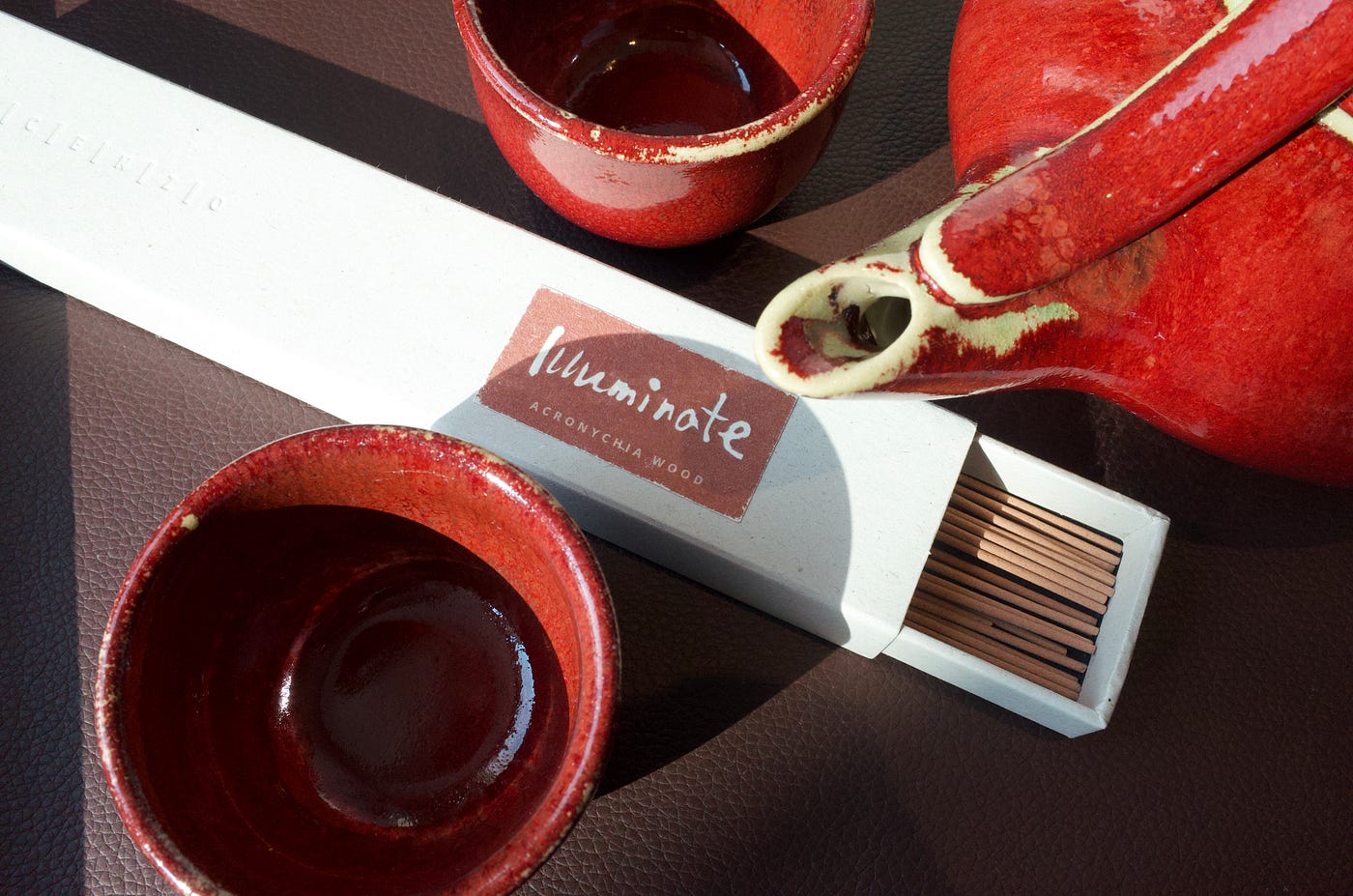
At INCENZO, we’re passionate about bringing the traditions into the modern. Following traditional incense recipe from the Song Dynasty, Illuminate is the Acronychia wood incense that we offer, made with 100% natural ingredients. Whether you’re looking to incorporate the traditional practices, or simply want to send a message to the spirits of your ancestors, the woody scent from Illuminate helps you calm your mind, and send the messages out with sincerity.
Beyond ritual, Qingming also carries a quieter, more personal layer. Classical poetry reflects this mood — perhaps most famously in Du Mu’s Tang dynasty verse:
“清明时节雨纷纷,路上行人欲断魂。”
“During Qingming, the rain falls in a fine drizzle; travelers on the road feel a deep sorrow.”
This sense of gentle melancholy is not one of despair, but of remembrance. Families gather not only to mourn, but to picnic, to walk among greenery, and to share stories — blending grief with life, memory with presence.

In modern life, Qingming continues to evolve. Some may no longer travel to ancestral tombs, yet the essence remains accessible. Lighting a stick of incense at home, pausing for a moment of reflection, or simply remembering those who shaped us — these are all quiet continuations of the tradition.
In the end, Qingming is less about ritual perfection and more about intention. In the soft curl of incense smoke, in the act of tending and remembering, we are reminded that connection does not end — it transforms, gently, like spring returning each year.